L‑Carnitine: Turning Fat into Fuel for Horses

L‑Carnitine: Turning Fat into Fuel for Horses

Introduction

Performance horses demand more than just calories, they need efficient energy systems that support endurance, recovery, and muscle health. One compound that plays a critical role in this process is L‑Carnitine, an amino acid derivative that helps horses unlock energy from fat.

What is L‑Carnitine?

  • Biochemistry: Synthesized from lysine and methionine, L‑Carnitine transports long‑chain fatty acids into the mitochondria, where they are oxidized to produce energy.
  • Natural role: Horses produce L‑Carnitine in the liver and kidneys, but high workloads or metabolic challenges can increase demand beyond natural synthesis.

Benefits in Equine Nutrition

  1. Efficient Energy Utilization
    • Enhances fat metabolism, sparing glycogen reserves.
    • Provides a steady energy supply during prolonged exercise.
  2. Muscle Recovery & Reduced Fatigue
    • Limits lactic acid buildup, reducing post‑exercise soreness.
    • Supports faster recovery, enabling consistent training schedules.
  3. Endurance & Performance
    • Improves stamina by optimizing energy pathways.
    • Supports both aerobic and anaerobic muscle fibers for balanced performance.
  4. Cardiac & Metabolic Support
    • Benefits heart muscle function by improving fat metabolism.
    • Useful in horses prone to weight gain or metabolic conditions.

Practical Considerations

  • Dosage: Typically ranges from 500 mg to 2,000 mg daily, depending on workload and body weight.
  • Bioavailability: Oral absorption in horses is modest, so formulations must be carefully designed.
  • Safety: Well tolerated, though excessive supplementation may cause mild digestive upset.
  • Research: Evidence supports its role in endurance and recovery, though long‑term studies are ongoing.

Conclusion

L‑Carnitine is more than a supplement, it’s a functional nutrient that helps horses convert fat into fuel, sustain performance, and recover faster. At TrueFeed, we integrate L‑Carnitine into our formulations to ensure every horse benefits from scientifically advanced nutrition that supports both heritage and high performance.
L‑Carnitine: Turning Fat into Fuel for Horses

Marwari Horses: Heritage Meets Modern Nutrition

A Legacy of Royalty

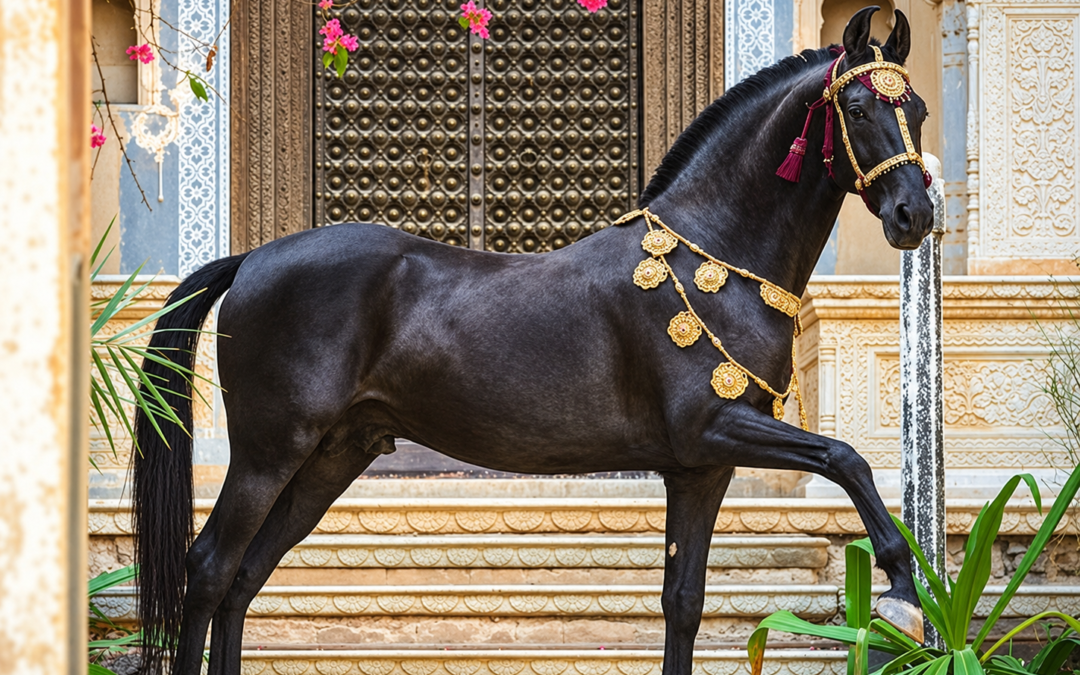
The Marwari horse is one of India’s most treasured breeds, instantly recognizable by its inward‑curving ears and proud carriage. Originating in Rajasthan’s Marwar region, these horses were bred by Rajput warriors for endurance, loyalty, and courage in battle. Today, they remain a living symbol of India’s equestrian heritage, celebrated in festivals, weddings, and cultural traditions.

Unique Traits of the Marwari

  • Adaptability to harsh climates and limited resources.
  • Endurance and agility, ideal for long rides and ceremonial use.
  • Distinctive ears, a hallmark of the breed’s identity.
  • Cultural significance, deeply tied to Indian heritage.

Nutrition for Heritage Horses

Marwaris are naturally hardy, but modern care requires balancing tradition with science. Their digestive systems thrive on simple diets, yet performance, breeding, and longevity demand more precise nutrition.

At TrueFeed by Growel, we designed specialized formulations for Marwari horses that respect their heritage while enhancing their health:

  • Micronized grains for safe, efficient energy release.
  • Targeted amino acids to support muscle tone and topline.
  • Mineral blends tailored to Indian forage conditions, ensuring skeletal strength and hoof quality.
  • Balanced compound feed that complements traditional feeding practices while meeting modern nutritional standards.

Our Commitment

Creating feed for Marwari horses is not just about nutrition, it’s about preserving heritage while applying modern science. By combining traditional knowledge with innovations like micronization and precision formulation, TrueFeed ensures that India’s royal horses remain strong, healthy, and celebrated for generations to come.

L‑Carnitine: Turning Fat into Fuel for Horses

Best Practices for Feeding Horses

Feeding horses is both a science and an art. While nutrition provides the foundation for health and performance, the way feed is managed day‑to‑day makes all the difference. At TrueFeed by Growel, we emphasize scientifically backed feeding practices that ensure safety, consistency, and optimal nutrient utilization for horses across India.

General Feeding Principles

Consistency is key, feed horses at the same time each day to reduce stress and maintain digestive rhythm. Divide concentrate feed into two or three smaller meals rather than one large portion to support steady digestion. Never make sudden changes to the diet; introduce new feed gradually over 7–10 days to allow the gut microbiota to adapt.

Clean, fresh drinking water must always be available. Good‑quality hay or pasture should remain the foundation of every horse’s diet, providing essential fiber for gut health. Salt and mineral supplementation should be accessible at all times. Avoid feeding immediately before or after intense exercise to prevent digestive discomfort.

Storage Guidelines

Proper storage preserves feed quality and safety. Store feed in a cool, dry place, protected from direct sunlight. Keep bags off the floor using pallets to prevent moisture absorption. Reseal opened bags after each use to maintain freshness and prevent contamination. Follow the First‑In, First‑Out (FIFO) principle, use older stock first. Never feed mouldy or contaminated feed.

Best Practices for Long‑Term Care

Feed by weight, not volume, precision ensures balanced rations. Monitor body condition every month and adjust feed according to workload, season, and health status. Deworm and vaccinate horses as recommended by your veterinarian. Schedule regular dental examinations, as poor dentition affects feed utilization. Maintain a consistent feeding routine to reduce stress and digestive disturbances.

Takeaway

Feeding horses isn’t just about what goes into the bucket, it’s about how, when, and why it’s offered. By following these best practices, horse owners can ensure their animals receive balanced nutrition, maintain digestive health, and perform at their best.

At TrueFeed, we combine scientific precision, advanced feed technology, and decades of expertise to deliver equine nutrition that’s consistent, safe, and superior. Whether you’re caring for Marwari heritage horses or high‑performance athletes, our feeds are designed to meet every need with confidence.

L‑Carnitine: Turning Fat into Fuel for Horses

Micronization: Transforming Equine Feed into Functional Nutrition

Introduction

In equine nutrition, the difference between ordinary feed and superior performance lies in how effectively nutrients are digested and utilized. At TrueFeed, we employ micronization technology to ensure every grain delivers maximum value, making our feeds safer, more efficient, and scientifically advanced.

What is Micronization?

Micronization is a process that uses infrared heat treatment to alter the starch structure in grains. By gelatinizing starch molecules, it shifts digestion from the hindgut (where excess fermentation can cause problems) to the small intestine, where nutrients are absorbed more efficiently.

Why Micronization Matters

  • Improved Digestibility → Horses extract more usable energy from grains, reducing feed wastage.
  • Safer Digestion → Prevents undigested starch from reaching the hindgut, lowering risks of colic and laminitis.
  • Controlled Energy Release → Provides steady energy for training and competition, avoiding sudden “sugar highs.”
  • Enhanced Nutrient Utilization → Proteins, vitamins, and minerals are absorbed more effectively, supporting muscle development and recovery.

Functional Superiority in Practice

Micronized feeds are not just about better digestion, they represent a scientific leap in equine nutrition. By combining this process with targeted amino acids, functional micronutrients, and precision formulation, TrueFeed delivers diets that actively support:

  • Muscle protein synthesis and topline development
  • Endurance and stamina during demanding work
  • Recovery and resilience post‑exercise
  • Coat, hoof, and skeletal health

Conclusion

Micronization is more than a manufacturing step, it’s a commitment to equine safety, performance, and longevity. At TrueFeed, we integrate this technology into our formulations to ensure every horse, from heritage breeds to elite sport competitors, receives nutrition that is technically superior and functionally effective.